Why Garage Doors Fail at the Worst Time (And Why It’s Usually Not a Coincidence)
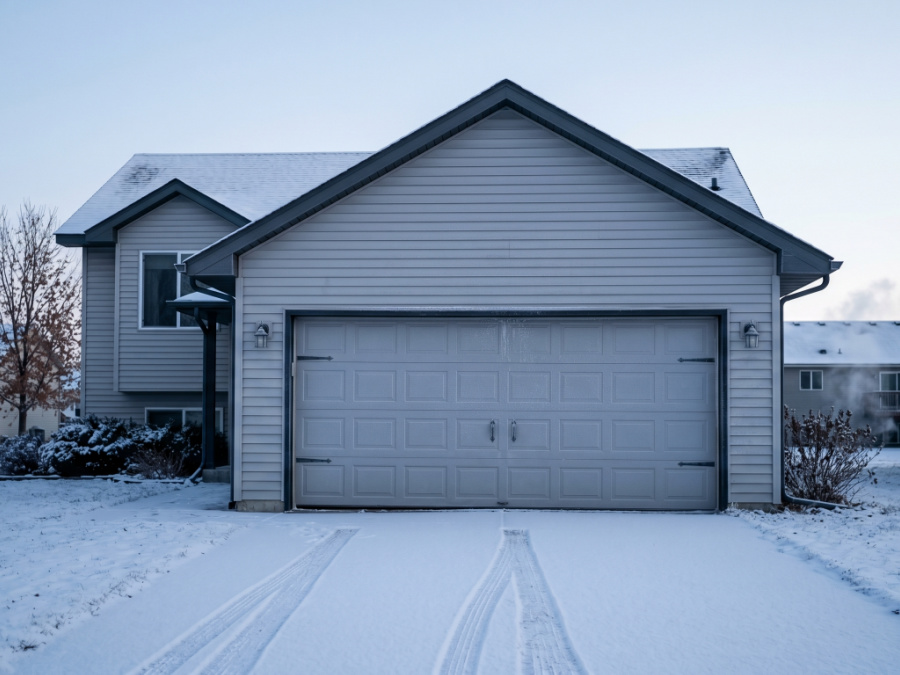
If you’ve ever had your garage door fail, there’s a good chance it didn’t happen at a convenient time. It was probably early in the morning when you were trying to leave for work, or late at night when you just wanted to get inside. Around St. Joseph and Central Minnesota, it often happens on one of those cold mornings when everything feels tighter, slower—and then suddenly nothing moves at all.
Most people chalk it up to bad luck, but after working on garage doors long enough, you start to see the pattern. These failures don’t usually come out of nowhere. They show up at the exact moment the system can’t compensate anymore.
It Feels Sudden, But It’s Been Building for a While
When a garage door stops working, it feels sudden. One day everything is fine, the next day the door won’t open, the spring has snapped, or the opener is struggling. In reality, that failure has been building for a long time.
Garage door systems are always under tension. Springs carry the weight, the opener controls movement, and the hardware keeps everything aligned. Over time, those parts wear down gradually, and the system quietly adjusts—until it reaches a tipping point.
Why Cold Weather Triggers the Failure
In Central Minnesota, weather plays a major role in when that tipping point shows up. The first hard freeze in November is a common trigger. So are those late winter or early spring swings where temperatures shift from mild and damp to brutally cold overnight.
Metal contracts, lubrication thickens, and springs that have already been stressed become more brittle. It’s not that the cold created the problem. It just forced it to show itself.
Where the Tension Is Highest (And Why That Matters)
There’s another layer to this that most homeowners don’t think about, and that’s how the system is loaded. When your garage door is fully closed, the spring is under maximum tension. That’s the moment when it’s working the hardest, and it’s also when it’s most likely to fail.
That’s why so many people discover a broken spring when they try to open the door in the morning. The system was already at its limit, and that first lift pushed it past the edge.
The Hidden Impact of Daily Use
Daily use plays just as important a role as weather. Every time your garage door opens and closes, that’s one cycle. Springs are designed for a certain number of cycles, and once those are used up, failure becomes much more likely.
In most homes, the garage door is the main entry point, so it gets used constantly. Over time, those cycles add up faster than most people expect, and by the time winter hits, many systems are already worn down enough that cold weather exposes the issue.
This Happens Everywhere—Just for Different Reasons
This pattern isn’t unique to Minnesota. It shows up everywhere, just in different ways. In colder climates like ours, failures tend to happen suddenly during temperature drops. In warmer climates, the wear builds more gradually.
In places like Sun City in Arizona, teams working in those conditions, including companies like Gecko Garage Doors, are dealing with constant heat putting long-term stress on springs and hardware. Instead of one cold morning triggering a failure, the system wears down over time until it reaches the same tipping point. Different environment, same physics.
The Warning Signs Most People Miss
Most garage doors will give you warning signs before they fail, but they’re easy to overlook if you don’t know what to watch for. Think of it like a check engine light for your garage door. The system is trying to tell you something before it stops working completely.
Here are a few things to pay attention to:
- The door struggles more than usual on the first lift of the day, especially in colder weather
- It hesitates or pauses slightly a couple feet off the ground
- You hear new sounds—squealing, popping, or grinding—that weren’t there before
- The door feels heavier than it used to when you try to lift it manually
A Simple Way to Check Your Door Safely
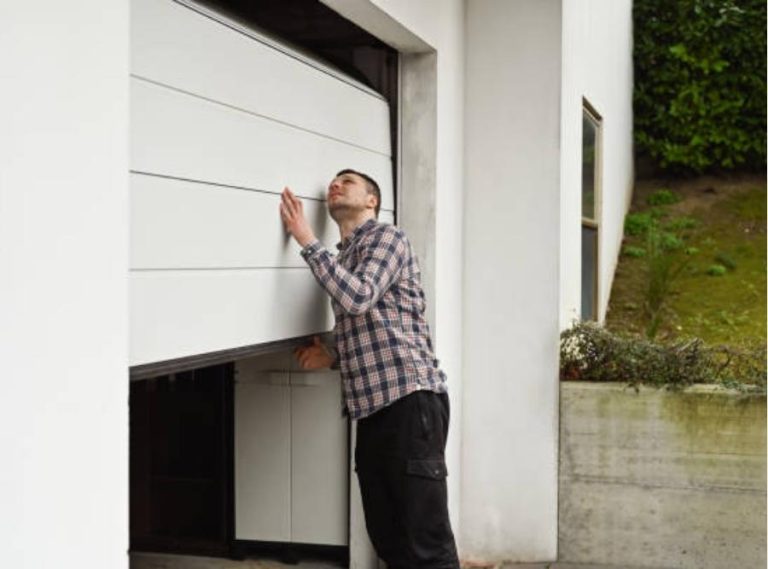
One simple way to check your door is to disconnect the opener using the red emergency release cord. Once it’s disengaged, lift the door by hand to about halfway. A properly balanced door should stay in place or move very slightly.
If it drops quickly or feels unusually heavy, that’s a sign the spring system is under strain and should be looked at.
Why It Always Feels Like the Worst Time
Garage door failures rarely happen when it’s convenient. They happen when you’re trying to leave for work, get the kids to school, or stay on schedule. That’s when the system finally gives out.
It’s not bad luck. It’s the result of accumulated wear reaching its limit during normal use.
Staying Ahead of the Breakdown
The good news is that most of these failures can be avoided by catching the warning signs early. Routine maintenance, proper lubrication, and periodic inspections can extend the life of the system and prevent small issues from turning into major problems.
If your garage door has been in use for several years and gets regular daily use, it’s worth having it checked before those extreme temperature swings hit.
Final Thought
Garage door failures aren’t random. They happen when the system reaches its limit. The wear builds over time, the stress adds up, and the environment determines when it finally shows up.
Understanding that doesn’t just explain why it failed. It gives you the chance to stay ahead of it, instead of finding out the hard way on a cold Minnesota morning when your car won’t leave the garage.